
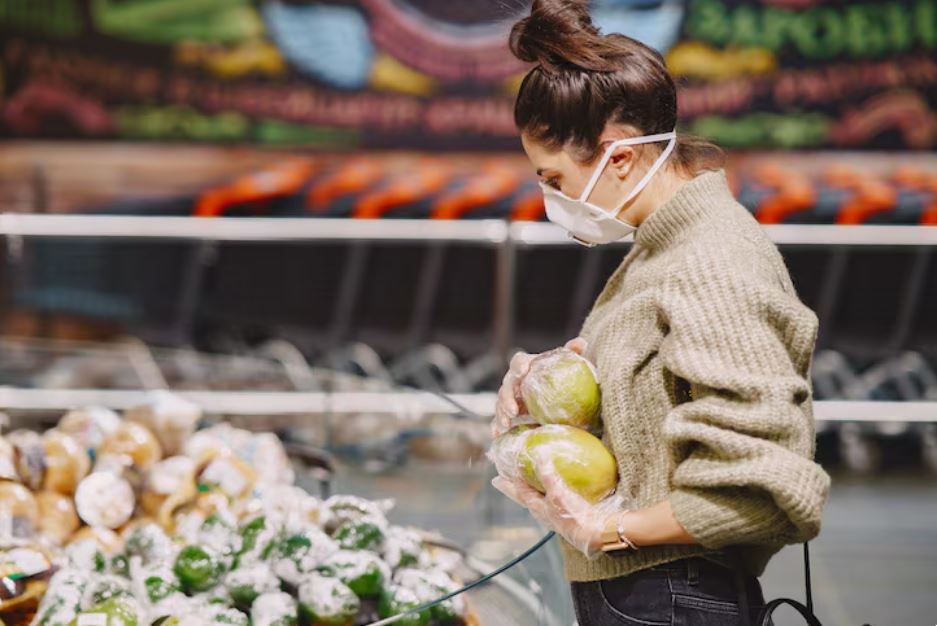
A young influencer meticulously records her grocery shopping at an Erewhon store in Los Angeles, narrating her selections like an experienced lifestyle editor. Her basket includes sea moss gel that costs more than a restaurant lunch, a $14 smoothie, and a $19 probiotic soda. As she adds hashtags like #grocerygoals and #cleanliving, a nearby single mother silently returns a bag of apples after looking at the cost of baby formula. This subtle contradiction has become remarkably prevalent, reflecting a new age in which going grocery shopping is considered a luxury.
Basic groceries have seen an unrelenting price increase over the last four years. The Bureau of Labor Statistics reports that since 2019, household staples like cereal, eggs, milk, and ground beef have increased by 25%. That figure, however, hides the especially acute suffering experienced by low-income households, where food already accounts for a disproportionately high portion of monthly spending. A week’s worth of groceries used to cost a family $100, but now that amount hardly lasts three days.
| Key Factor | Impact on Grocery Prices |
|---|---|
| Inflation | Particularly severe on essentials like eggs, beef, milk, and bread |
| Supply Chain Disruptions | From COVID-19 to Ukraine war, delays have significantly raised base costs |
| Climate Events | Extreme weather, droughts, and avian flu sharply reduced supply of key items |
| Corporate Profiteering | Record profits and rising executive pay correlated with consumer price spikes |
| Tariffs and Trade Policy | Tariffs on imports increased costs for basic and specialty groceries alike |
| Labor Cost Increases | Rising wages in agriculture and logistics quietly passed on to retail pricing |
| Gen Z Luxury Trend | Premium groceries now a symbol of identity and “aspirational consumption” |
| Social Media Influence | Grocery hauls now performative, adding to distorted demand for overpriced items |
| Food Banks Overwhelmed | Usage has significantly increased even among employed families |
| Policy Inaction | No substantial federal effort yet to regulate corporate markups or enforce caps |
Despite how often that word is used in press briefings, inflation is not the only factor causing this economic squeeze. Geopolitical tensions and labor shortages have accelerated supply chain breakdowns, which have led to a significant increase in base production and distribution costs, according to economists from the Economic Policy Institute. Corporate profit margins have also subtly increased at the same time. According to Forbes data, major suppliers like Tyson Foods and supermarket chains like Kroger have reported their highest margins in more than ten years.
From empty shelves at large retailers to cargo ships idling off ports, logistical nightmares became the norm during the pandemic. However, prices did not return to their pre-crisis levels even after supply chains stabilized. Rather, they ascended. CEOs blamed input costs, but shareholder reports showed record-breaking share buybacks and bonuses. Many Americans have felt that this disparity is incredibly unfair. Nowadays, phrases like “markup manipulation” and “greedflation” are used in discussions about grocery shopping in cities like Pittsburgh and Des Moines.
This already weighty reality is further compounded by the cultural layer. Grocery shopping has evolved into a lifestyle branding tool for Generation Z. With oat milk, artisan bread, and collagen gummies arranged like museum pieces, TikTok creators proudly share their $300 Whole Foods hauls while listening to relaxing music. Although this content may seem artistically chosen, it also skews public opinion. A teenager in a small Ohio town may start to believe that basic nutrition must appear costly in order to be legitimate.
Wider changes in consumer behavior have been brought about by this digital-driven normalization of luxury cuisine. Influencers have caused demand spikes for specialty goods, occasionally emptying entire shelves before regular consumers can purchase them. These occurrences are not unique. Supply chains have been directly impacted by consumer-facing trends on platforms like TikTok and Instagram, according to a 2024 Deloitte report. In order to handle erratic restocking needs, grocers must raise prices even more in response to this demand volatility.
Concurrently, the stability of the world’s food supply has been subtly undermined by climate change. Water shortages brought on by a particularly severe drought in California, the U.S. breadbasket, have reduced yields of lettuce, tomatoes, and almonds. Extreme heat has caused fewer herds of beef cattle in Texas and the Midwest, which has raised the price of meat. Poultry flocks were devastated by the 2022 avian flu outbreak, which caused the price of eggs to double in less than six months. These are accumulating patterns rather than freak occurrences.
These incidents have been absolutely crippling for working families. Demand from full-time employees is much higher, according to food banks nationwide. The conventional definition of a person experiencing food insecurity is no longer applicable. These days, it’s the Amazon warehouse employee, the nursing assistant, and the public school teacher. They are reducing their intake of fresh produce, skipping meals, or turning to dollar stores for processed foods that are high in calories but low in nutrients.
The trend toward exclusivity has even started to change in retail formats. Personalized dietary consultants and in-store wine tastings are two ways that upscale supermarket chains like Foxtrot and The Fresh Market market “urban gourmet” experiences. Despite being innovative, this shift in consumer behavior excludes entire populations. Coincidentally, dollar store chains have become the fastest-growing grocery source in food deserts as they have spread throughout rural America.
Few of the responses put forth by policymakers have proven to be successful. SNAP benefits that had been temporarily increased during the pandemic were reversed in 2023. Furthermore, no significant legislation has been passed despite the proposals of some lawmakers, such as Senator Sherrod Brown, to cap corporate grocery profits. On the other hand, nations like Canada and France have implemented emergency price caps on necessities, offering remarkable illustrations of prompt action.
At the grassroots level, however, there are rays of hope. Urban farming projects, neighborhood food co-ops, and mutual aid organizations have spread throughout American cities. The Bronzeville Food Collective in Chicago has teamed up with neighborhood farmers to provide reasonably priced, organic produce to areas that were previously disregarded by large retailers. Despite their small scale, these initiatives provide very effective models for lowering food insecurity without relying on government assistance.
For millions of people, grocery shopping is now more about survival tactics than taste preferences. This simple task now involves spreadsheets, coupons, and difficult choices as food deserts grow, corporate profits soar, and public assistance decreases. Communities still react, though, sometimes indignantly, frequently creatively, and always resolutely. Perhaps in the end, that perseverance will redefine what grocery shopping ought to be: open, respectable, and communal.