
You may not realize it, but that quick lunch you have in between meetings is subtly influencing your finances. A $12 takeout meal doesn’t seem like much until you consider that it adds up to over $3,000 annually over 240 working days. Convenience actually comes at a cost that goes beyond the receipt. It affects your environment, your habits, and even your savings.
Purchasing lunch every day has become a contemporary habit, particularly for professionals juggling hectic schedules. However, what seems like a time-saver is frequently a silent financial burden. On a Tuesday, the difference between a $12 store-bought lunch and a $5 homemade lunch might not seem like much, but over time, it adds up to thousands of dollars lost, money that could be used for a vacation, debt repayment, or investment account growth.
| Factor | Buying Lunch Daily | Packing Lunch Daily | Annual Impact |
|---|---|---|---|
| Average Cost per Meal | $10 – $15 | $3 – $6 | Saves $1,300 – $2,500+ yearly |
| Delivery & Service Fees | Up to +40% extra | None | Adds hundreds yearly |
| Weekly Cost (5 Days) | $50 – $75 | $15 – $30 | $25 – $60 weekly savings |
| Nutrition Quality | Often processed, high sodium | Fresh, portion-controlled | Notably improved health |
| Environmental Footprint | Single-use waste, transport | Reusable containers | Reduced carbon impact |
| Investment Potential | None | $50 saved weekly | $2,600+ possible annual return |
| Reference Source | www.thebudgetmom.com | — | — |
The financial gap is glaringly obvious when analysts compare daily spending patterns. While eating out typically costs $10 to $15, packing a homemade lunch usually costs $3 to $6. This disparity increases by an additional 30 to 40 percent when service fees, delivery costs, and tips are included. The savings from packing a lunch could exceed $2,500 over the course of a year—a sum that is both observable and revolutionary.
However, money isn’t the only aspect of the true story. It concerns how behavior is influenced by convenience. While ordering takeout seems simple, it leads to a reliance on quick fixes. These choices add up over time, undermining personal agency and financial flexibility. Decision fatigue is what psychologists refer to it as. We tend to choose the simplest solution, even if it is more expensive, when life feels chaotic.
In this equation, nutrition is a subtle but significant factor. Restaurant food is frequently high in added sugars, refined carbohydrates, and sodium—tastes designed to entice you to return. According to an American Heart Association study, regular takeout customers consume almost twice as much sodium as is advised each day. Homemade meals, on the other hand, provide complete control. You choose the size, the oil, the salt, and the ingredients. That consistency can have a remarkable impact on long-term health over the course of months.
Another variable that is misinterpreted is time. Although convenience is promoted as a time-saver, it frequently steals moments without being noticed. Spending time tracking deliveries, driving to a café, or standing in line takes up time that could be spent peacefully or productively. People regain control over their schedules and energy when they prepare meals ahead of time.
An additional layer of hidden costs is the impact on the environment. Packaging waste, including plastic containers, paper bags, and utensils, is produced by every takeout meal and builds up globally. Disposable food packaging makes up almost one-third of all landfill waste in the United States alone. You can drastically lessen your environmental impact and set an example of sustainable behavior by packing your lunch in reusable containers. Celebrities are also starting to make these decisions. Emma Watson, an actress who has long been an environmental advocate, has talked about how fulfilling it is to cook for herself while filming, calling it “a small daily act of accountability.”
Convenience has a huge financial opportunity cost. By forgoing daily takeout, you can save $50 a week, which can add up to over $2,600 annually. That habit could add up to tens of thousands of dollars over decades if it were invested in a retirement plan or high-yield savings account. This is compound growth’s power—an imperceptible yet incredibly effective multiplier of constant discipline.
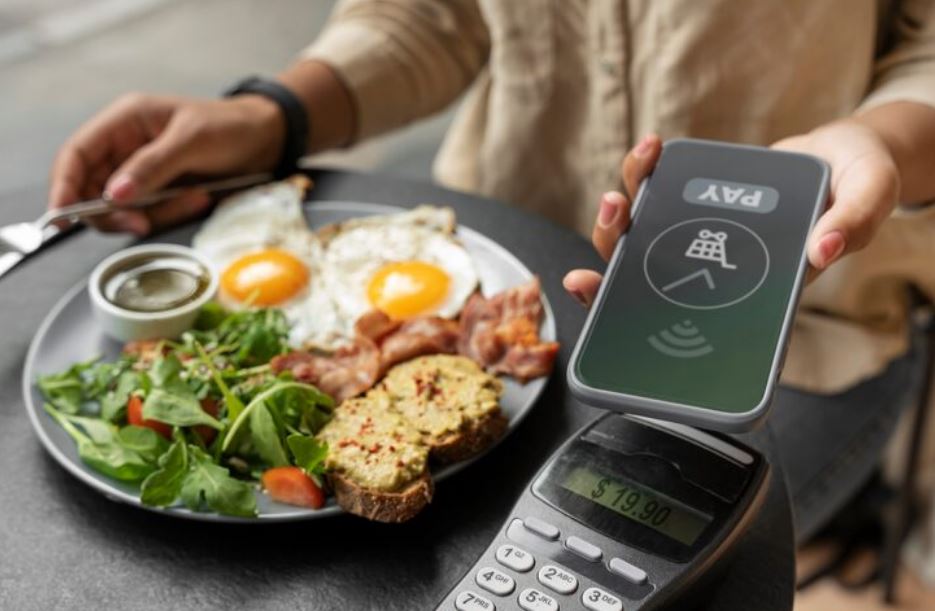
Convenience has become the norm in our culture. Every craving is now accessible thanks to apps like DoorDash, Uber Eats, and Grubhub, which have normalized instant gratification. However, frictionless spending lowers awareness, as behavioral economists point out. The emotional bond with cost is weakened when payment is made with a single tap. We begin to accept it as normal and cease to feel the cost.
According to a quote by financial accountability coach Rachel Collins, “convenience trades your future peace for present relief.” It’s an incredibly obvious observation. Not only does convenience simplify our lives, but it also lessens our awareness. The gradual dulling of our financial instincts is the real cost, not the $12 sandwich.
It’s interesting to note that some professionals are rethinking their routines in light of these discoveries. Businesses that are experimenting with wellness stipends now encourage staff members to spend their money on groceries instead of takeaway. The outcomes have been remarkably favorable. Employees say they feel better, have more energy, and are noticeably more frugal with their money. These experiments show a growing understanding of the close relationship between personal and financial well-being.
It’s also important to recognize the emotional component. Because it feels like a break—a quick respite in a busy day—many people purchase lunch. There is value in that pause. However, comfort becomes expensive when it comes at the expense of long-term objectives. A balanced solution is to create margin through meal prep, such as cooking on Sundays or repurposing dinner leftovers. It is about choice rather than deprivation.
Micro-decisions determine macro-outcomes, as economists have long observed. The silent trend of purchasing lunch every day reflects broader cultural practices, such as forgoing sustainability in favor of speed, outsourcing control, and paying for convenience. However, even a small reversal of that pattern gives us awareness, which is worth more than money. Intention follows awareness, and freedom follows intention.
The discourse surrounding daily spending is evolving across a range of industries, including wellness and finance. Influencers who support the “one small change” approach, such as Miko from The Budget Mom, urge people to take back control of their lives one choice at a time. This movement is especially creative because it emphasizes how mindful spending is both empowering and healing by fusing personal finance, sustainability, and mental health.
Pause for a moment the next time you hover over that delivery app or scan the takeout menu. It’s a powerful pause. It’s an opportunity to consider whether I’m investing in calm or convenience. That awareness eventually turns into a habit, which then turns into an identity.
The true cost of your lunch isn’t just expressed in monetary terms; it’s also reflected in the silent compromises you make every day: mindfulness for comfort, ease for ease, and savings for speed. Making different decisions, even once or twice a week, can bring about profoundly personal and financial change. Sometimes the simplest choices, like packing a lunch, yield the biggest benefits.