
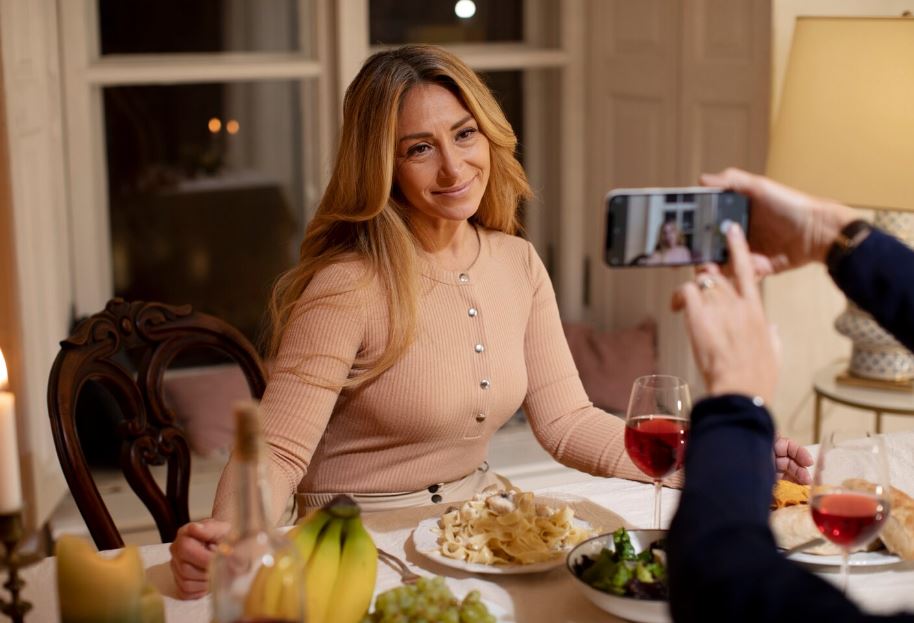
A new type of chef has surfaced in the last ten years: one who cooks while using a camera, adds hashtags to their dishes, and serves millions of people from the comfort of their own homes. Through narratives that link taste, identity, and technology, food influencers have radically changed the way we eat—not just through eateries or recipes. Each post demonstrates how food can be both performative and personal in a way that is both persuasive and recipe-based.
These days, browsing social media is like strolling through a never-ending feast. Every moment, whether it’s the slow tear of a croissant, the golden drizzle of honey, or the gleam of chocolate, is designed to be both aesthetically pleasing and emotionally enticing. Kitchens are now stages thanks to apps like Instagram and TikTok, where rhythm, sound, and lighting are just as crucial as taste. Cutting an avocado can be a cinematic experience that turns the most commonplace food into digital art.
| Category | Core Trend | Impact on Eating Habits | Example / Reference |
|---|---|---|---|
| Visual Appeal | Food as visual storytelling | Encourages design-first dining experiences | Instagram’s #FoodArt and #CookingReels |
| Viral Trends | Fast-changing recipes and fads | Inspires curiosity and experimentation | TikTok’s “whipped coffee,” “girl dinner” |
| Accessibility | Short-form, friendly tutorials | Builds cooking confidence among beginners | YouTube Shorts, quick TikTok guides |
| Conscious Eating | Sustainability and plant-based focus | Promotes mindful and ethical choices | #MeatlessMonday, #EcoEats |
| Brand Power | Sponsored collaborations | Directly shapes product sales and perception | “TikTok made me buy it” trends |
| Reference | BBC Food & Culture — www.bbc.com |
Culinary authority has been redefined by food influencers, such as Emma Chamberlain’s informal oat milk routines and Tabitha Brown’s poignant vegan narratives. They make food seem approachable by fusing relatability, humor, and aesthetics. Their voices have a remarkable impact on how people perceive nutrition, not as a duty but as a means of self-expression. It’s about enjoying the process, color, and creativity rather than about adhering to rules.
Food has become a topic of discussion thanks to short-form videos. Cooking has become more accessible thanks to TikTok’s fast-paced format, which is also very effective for sharing quick, creative recipes. A generation that used to order takeout now makes complicated meals in their own kitchens. What was once daunting is now reachable. A 30-second video gave rise to the well-known “baked feta pasta” trend, which caused feta cheese sales to soar worldwide. This event exemplifies how influence becomes impact.
Restaurant operations have also been altered by this visual-first trend. Because every dish could become their next viral feature, cafés create visually appealing interiors and dishes. These days, marketing teams work with food stylists to create experiences that are both shareable and feel natural. The “Instagrammable café” is a business model influenced by algorithms and aesthetics, not just a fad.
Influencers have also increased the appeal of eating more sustainably and healthily. Mehak Dhawan, Max La Manna, and Radhi Devlukia are examples of creators who demonstrate that conscious cooking does not entail compromise. They emphasize plant-based creativity, locally sourced produce, and zero-waste methods. With their genuine and upbeat recipes, they transform sustainability from a chore to a way of life.
They remind viewers that every meal has an impact by telling the stories of the farmer, the soil, and the community. Their efforts have significantly raised awareness of ethical consumption. In many respects, they have moved sustainability from scholarly publications to people’s dinner tables.
Influencer culture has also raised awareness of inclusivity. Digital creators have changed the narrative of traditional food media, which frequently focused on Western cuisines or elite chefs. Local flavors are being highlighted with a global flair by chefs such as Sohla El-Waylly from the United States and Ranveer Brar and Pooja Dhingra from India. Their material revives lost recipes and makes them appealing to contemporary audiences by fusing innovation and nostalgia.
Once uncommon, cultural fusion is now praised. A dish like an Indian-inspired avocado toast or a Korean barbecue taco is more than just a food; it’s a digital representation of how culture spreads in the modern world. Cross-cultural cooking feels incredibly versatile and has expanded palates thanks to this fusion of tradition and experimentation.
There are drawbacks to this digital feast, of course. The most visually appealing foods, such as melting cheese, shimmering burgers, or sugary desserts, are typically rewarded by algorithms over well-balanced meals. According to research quoted by BBC Food, these recurring cues have the power to distort perception and increase the appeal of decadent foods. However, when employed purposefully, the same mechanisms that encourage excess can also highlight wellness. One relatable post at a time, creators who place a high value on balance are gradually changing digital diets.
There is a particularly strong link between food and emotion. A single video featuring a comfort food tale or a family recipe has the power to arouse collective nostalgia. Popular culinary trends like whipped coffee and sourdough bread offered consolation and a sense of community during the pandemic when people felt alone. Millions of kitchens shared these tiny acts of creation during a time of uncertainty. People realized from those experiences that food connects, not just sustains.
Brand partnerships are now yet another distinguishing characteristic. Influencers have significantly improved businesses’ understanding of their target markets. As demonstrated by Maria Vehera’s TikTok featuring “Dubai chocolate,” which sold out all over the world, a single endorsement can instantly boost a small business. Because it is conversational rather than corporate, this type of marketing feels genuine. Transparency turns advertising into storytelling, which is something that people genuinely want to interact with.
Many creators still place a strong emphasis on honesty in spite of commercial pressures. The most successful strike a balance between authenticity and aspiration. Audiences find their candor refreshing when they acknowledge when recipes don’t work, when ingredients are substituted, or when perfection isn’t achievable. Food becomes more approachable rather than exclusive, humanizing it once more.
As time goes on, this generation of influencers is changing the reason why people cook, not just teaching them how to do it. These days, food is a language of awareness, creativity, and connection. More than competition, it symbolizes community. Even though the camera altered the approach, the goal of sharing something nourishing for the body and the soul never goes out of style.
These creators have accomplished something subtly significant with their filters, captions, likes, and shares. They have rekindled interest in what we are eating. They have served as a reminder that food is more than just content; it is a daily digital serving of culture, memory, and identity.